A custom emblem often becomes the most visible part of a product. It faces daily contact, changing weather, and constant handling. Its finish decides how long it stays clear, readable, and professional.
Here’s how surface finishes affect the durability of custom emblems.
Surface Finishes in Custom Emblems
A surface finish is the final layer applied to an emblem after shaping and forming. It affects how the emblem looks, feels, and performs over time. Finishes also act as a protective barrier against wear, moisture, heat, and chemicals.
Without a proper finish, even a well-made emblem can fade, scratch, or corrode. The right finish helps the emblem keep its appearance and function throughout the product’s life.
Protecting Against Environmental Exposure
Many emblems operate in outdoor or industrial settings. Sunlight, rain, dust, and temperature changes can break down unprotected surfaces. Finishes like UV-resistant coatings help reduce fading caused by long-term sun exposure.
Moisture-resistant finishes protect metal and plastic emblems from corrosion and surface damage. In humid or wet environments, this protection plays a key role in maintaining legibility and brand clarity.
Reducing Wear from Handling and Cleaning
Custom emblems on consumer products often face repeated contact. Fingers, tools, and cleaning agents can wear down untreated surfaces. Hard coatings and clear protective layers reduce scratches and surface marks caused by daily use.
Some finishes also allow easier cleaning. Smooth, sealed surfaces prevent dirt buildup and reduce damage from routine wiping. This helps emblems stay clean without losing detail.
Improving Resistance to Chemicals and Heat
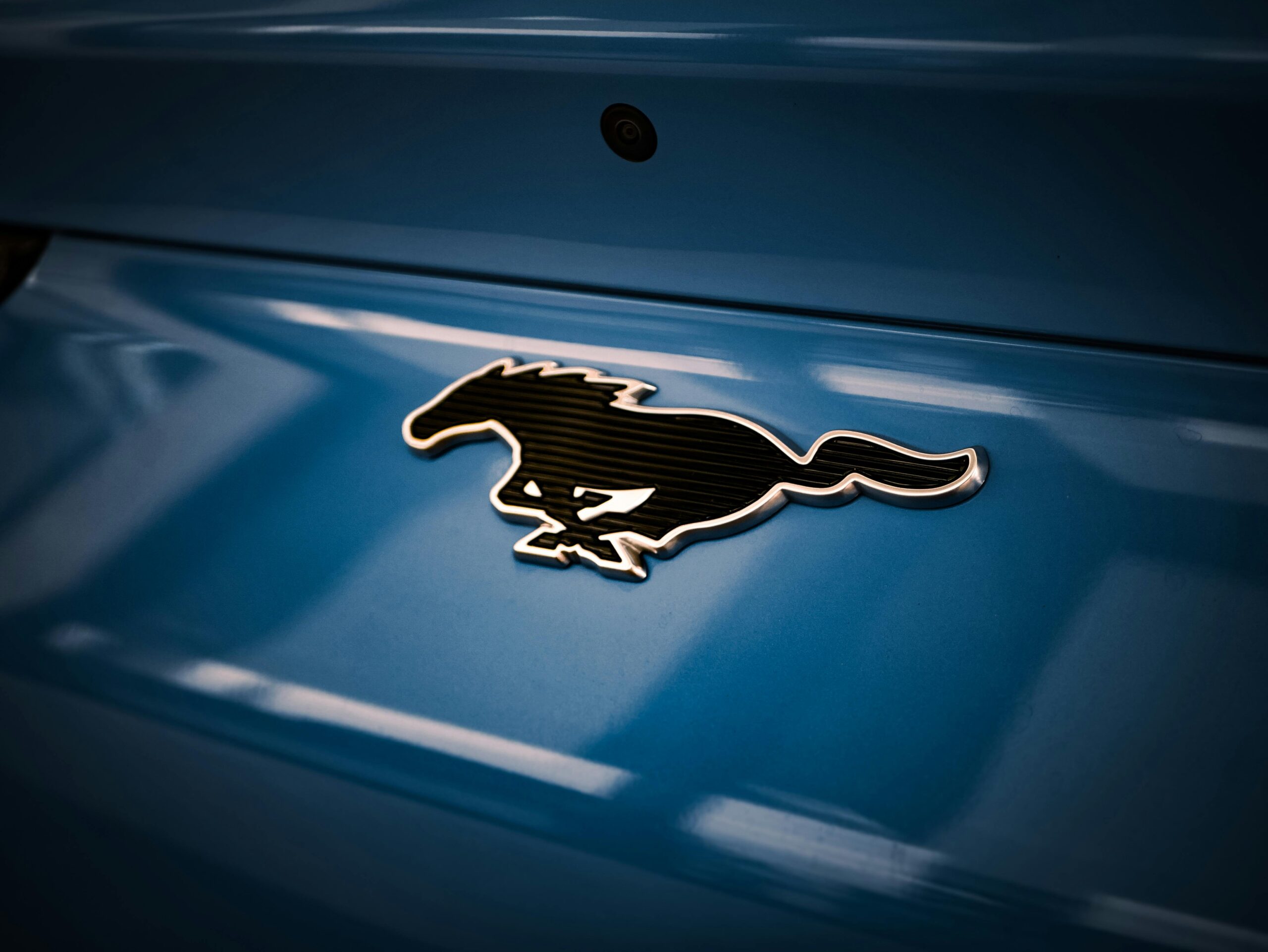
Industrial and automotive emblems may face oils, fuels, solvents, or cleaning chemicals. Chemical-resistant finishes help prevent staining, peeling, or surface breakdown in these conditions.
Heat exposure can also affect emblem durability. Certain finishes provide better stability at higher temperatures, helping the emblem retain its shape and surface quality when mounted near engines or electronic components.
Choosing Finishes Based on Material Type
Different emblem materials react differently to surface finishes. Metal emblems often use anodizing, powder coating, or plating to improve resistance and lifespan. Each option offers varying levels of protection based on use and environment.
Plastic emblems rely on coatings that bond well without cracking or peeling. Paint systems, clear coats, and textured finishes help protect plastic surfaces while keeping fine details visible.
Supporting Long-Term Brand Appearance
Surface finishes do more than protect. They help the emblem maintain consistent colour, contrast, and texture over time. This consistency matters for brand recognition and product presentation.
When the finish lasts, the emblem continues to reflect product quality. Poor finish choices can lead to early wear, which may affect how the product is perceived.
Making Informed Finish Decisions
Selecting a surface finish depends on where and how the emblem will be used. Factors like exposure, handling frequency, material type, and cleaning methods all matter.
By matching the finish to real-world conditions, manufacturers can improve emblem durability and reduce the need for replacements. A well-chosen surface finish supports both function and long-term appearance without added complexity.
Ready to Build Emblems That Last? Partner with King Epoxy Emblem Co., Ltd. for custom emblems designed for real-world conditions. From material selection to surface finishes, every detail is handled with precision and care. Connect with our team today to discuss your project and get solutions that match your product, your environment, and your standards.