
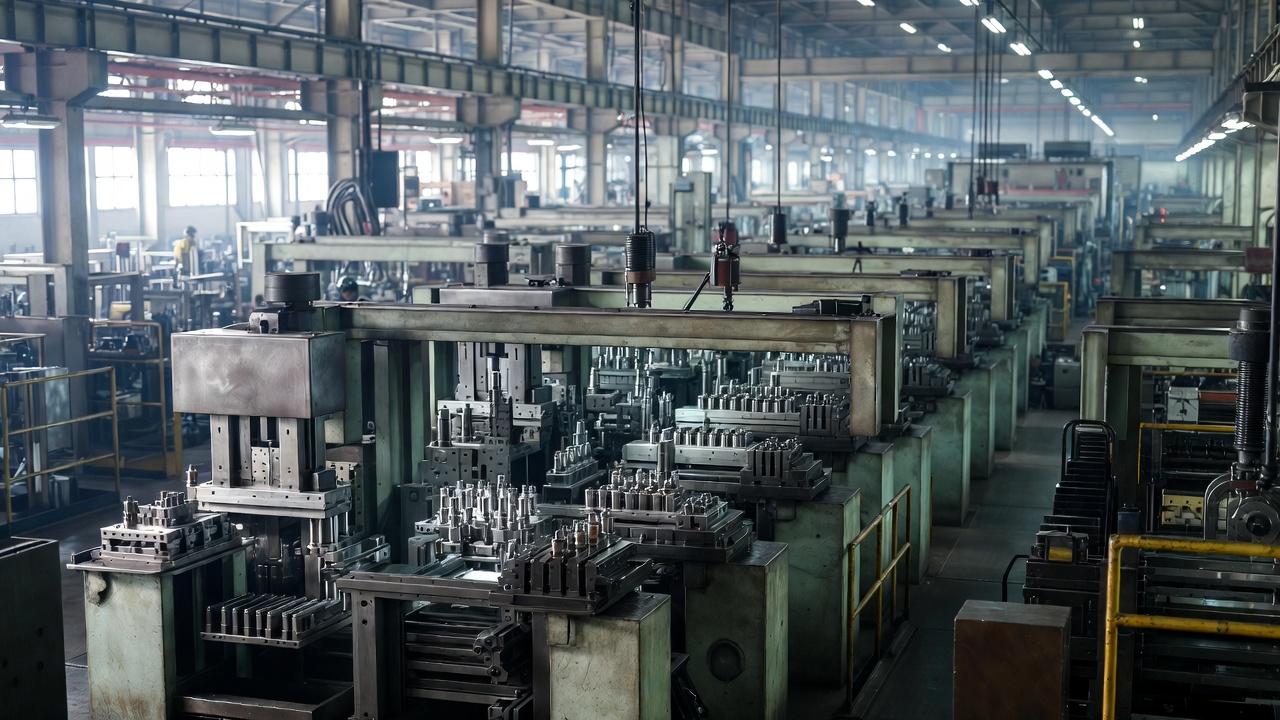
When production volumes increase, even small inefficiencies can snowball into missed deadlines and rising costs. Metal stamping solves this problem by delivering consistent, repeatable components at scale—without slowing production.
By using advanced metal stamping solutions, manufacturers sourcing products from overseas gain tighter tolerances, faster cycle times, and predictable pricing. High-volume metal stamping is now the backbone of efficient global manufacturing operations.
Why Is Metal Stamping Essential for High-Volume Manufacturing?
Metal stamping is built for consistency. In high-volume production environments, repeatability equals profitability.
According to manufacturing efficiency benchmarks, automated stamping processes can reduce per-unit costs by up to 30% compared to low-volume fabrication methods when tooling is optimized.
Key Advantages of High-Volume Metal Stamping:
- Lower cost per unit at scale
- Exceptional repeatability across long runs
- Reduced material waste
- High-speed press capabilities
- Compatibility with automated assembly lines
When engineered properly, metal stamping supports predictable output—something growing manufacturers depend on.
👉 Learn more about our manufacturing expertise on our About Us page.
How Do Advanced Metal Stamping Solutions Work at Scale?
Modern metal stamping combines tooling precision, automation, and process control to support overseas mass production.
What does a scalable metal stamping workflow look like?
Typical process steps:
- Material selection and tolerance planning
- Progressive die or custom tooling design
- High-speed press operations
- In-process quality inspections
- Final finishing and packaging
Many manufacturers align these processes with industrial environmental standards such as those outlined by the U.S. Environmental Protection Agency (EPA) for responsible manufacturing:
https://www.epa.gov
What Risks Come with Poorly Managed Metal Stamping?
Overseas production magnifies mistakes when stamping processes aren’t optimized.
What problems signal a metal stamping operation isn’t production-ready?
Common warning signs:
- Inconsistent tolerances between batches
- Tooling wear that goes unchecked
- Weak quality documentation
- Excessive scrap or rework
- Limited ability to scale volume
👉 For production planning support, connect via our Contact Page.
How Can Manufacturers Optimize Metal Stamping for Long-Term Growth?
What’s the smartest way to plan metal stamping for overseas high-volume production?
| Phase | Task | Expert Insight |
| Planning | Define tolerances early | Prevents retooling delays |
| Design | Use progressive die stamping | Best for long-run consistency |
| Production | Leverage high-speed presses | Improves output predictability |
| Quality | Add in-line inspections | Reduces overseas defect risk |
| Scaling | Lock tooling strategy | Enables repeatable expansion |
When Should Metal Stamping Processes Be Reviewed or Maintained?
Even the best stamping systems require ongoing oversight.
How often should metal stamping tooling be evaluated?
Best practices include:
- Routine die inspections after major runs
- Continuous monitoring of scrap rates
- Scheduled press alignment checks
- Periodic tolerance audits
- Proactive tooling updates for design changes
These steps protect quality across extended overseas production cycles.
Why Do Manufacturers Trust King Epoxy Emblem Co., Ltd?
King Epoxy Emblem Co., Ltd brings decades of experience supporting high-volume, overseas manufacturing with precision-focused metal stamping.
What makes a stamping partner truly reliable at scale?
Our team has supported long-run industrial programs where consistency, tooling durability, and quality documentation were non-negotiable. That experience translates into smoother production, fewer disruptions, and dependable results.
🚀 Call to Action
Ready to streamline your high-volume metal stamping production?
Partner with a team that understands overseas manufacturing demands.
👉 Request a Custom Metal Stamping Quote Today
⚙️ Precision tooling • Scalable output • Proven manufacturing control
FAQ Section
How much does high-volume metal stamping cost?
Pricing depends on tooling complexity, materials, tolerances, and order volume, with larger runs reducing per-unit costs.
Is metal stamping suitable for overseas manufacturing?
Yes. Metal stamping is widely used for overseas production due to its repeatability and scalability.
How long does metal stamping tooling last?
Tooling lifespan depends on materials, press conditions, and maintenance schedules.
What causes defects in metal stamping?
Poor tooling design, inconsistent materials, and lack of inspection controls are common causes.
Can metal stamping support custom component designs?
Yes. Custom metal stamping works well when tooling is engineered for the specific application.
Quick Summary
Metal Stamping is a high-efficiency manufacturing process used to produce precision metal components at scale. By combining progressive die tooling, high-speed presses, and automated inspection systems, manufacturers reduce per-unit costs while maintaining consistent tolerances. Advanced metal stamping solutions improve repeatability, minimize material waste, and support automated assembly lines. King Epoxy Emblem provides high-volume metal stamping services engineered for durability and long-run production stability. Choosing the right stamping partner helps manufacturers scale faster, control costs, and maintain quality across extended production cycles.
Key Takeaways
⚙️ Metal stamping is ideal for high-volume production
📉 Lower unit costs come from process consistency
🔁 Progressive tooling improves repeatability
🛠️ Proper maintenance prevents overseas production risks
📊 Strategic planning enables scalable growth
✅ Experienced partners reduce costly errors