
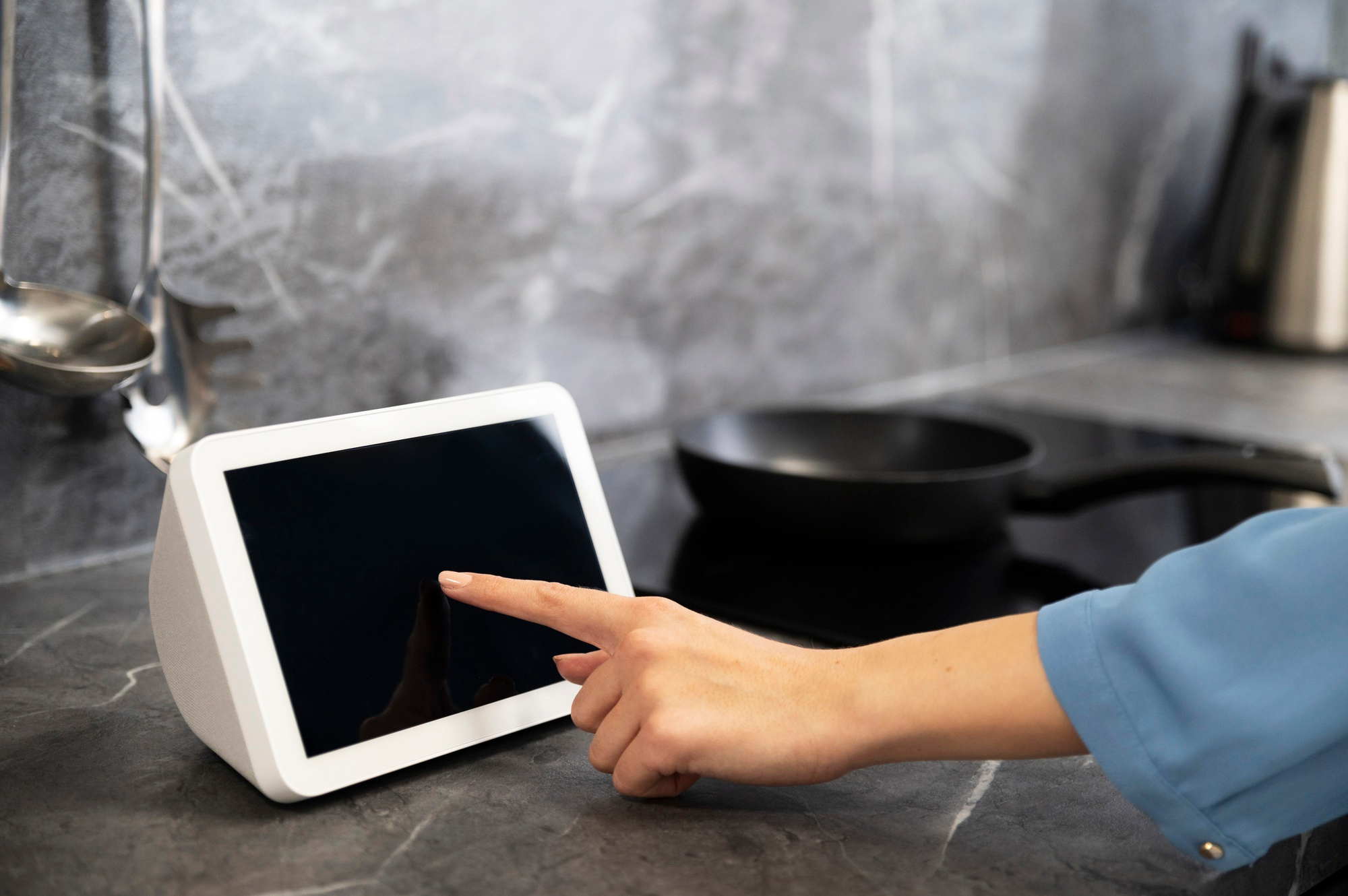
Smart devices are everywhere—from the medical monitor in a hospital to the sleek control panel on your smart oven. Behind these seamless glass and plastic interfaces lies a technology that is revolutionizing user experience: capacitive membrane switches.
For businesses searching for reliable Capacitive Membrane Switches Manufacturers, the goal is usually a blend of aesthetics and high-performance durability. At King Epoxy Emblem Co., Ltd, we understand that your interface is the “handshake” between your product and your customer. Whether you are comparing Membrane Switches Manufacturers or looking for Custom Silicone Keypad Manufacturers, choosing the right touch technology is the first step toward a premium product.
Quick AnswersWhat are capacitive membrane switches?Capacitive membrane switches are touch-sensitive control panels that detect changes in electrical capacitance when a user touches the surface. How do capacitive membrane switches work?They use conductive circuits beneath the overlay to sense the electrical properties of a finger touch instead of relying on physical pressure. Where are capacitive membrane switches used?They are commonly used in smart home devices, medical equipment, industrial controls, automotive systems, and consumer electronics. |
What Are Capacitive Membrane Switches?
Capacitive membrane switches are advanced user interface components designed to detect touch through electrical conductivity. Unlike traditional buttons that require pressure, these switches activate with a light touch.
This technology creates a smooth and modern interface commonly seen in:
- Smart appliances
- Medical equipment
- Industrial machinery
- Automotive dashboards
- Consumer electronics
- Touch-enabled control panels
Modern Capacitive Membrane Switches Manufacturers focus on creating interfaces that combine durability, precision, and aesthetic appeal.
Many products also integrate features from:
These additional components improve branding, usability, and product performance.
How Do Capacitive Membrane Switches Work?
The technology behind capacitive membrane switches is surprisingly simple but highly effective.
Inside the switch, conductive layers create an electrostatic field. When a finger touches the surface, it changes the electrical capacitance at that specific point. The controller detects this change and triggers the intended action.
Unlike mechanical switches, there are no moving parts involved.
Main Components of a Capacitive Membrane Switch
- Graphic Overlay
The top visible layer users interact with.
- Conductive Circuit Layer
This layer senses changes in electrical charge.
- Spacer Layer
Provides separation between conductive components.
- Adhesive Layer
Secures the switch assembly to the device surface.
- Controller Interface
Processes touch signals and activates commands.
According to touchscreen technology standards from sources like IEEE and modern electronics manufacturing guidelines, capacitive interfaces provide faster response times and improved durability compared to many traditional switch systems.
Why Are Smart Devices Moving to Capacitive Technology?
Why are so many Metal Nameplates Manufacturers and electronics designers pivoting to capacitive interfaces? The benefits go beyond just “looking cool”:
- Total Environmental Sealing: Because the surface is flat and continuous, moisture, dust, and chemicals can’t seep into the electronics.
- Ease of Cleaning: In a post-pandemic world, being able to wipe down a medical or retail interface with harsh disinfectants is a massive competitive advantage.
- Backlighting Excellence: Capacitive switches are much easier to backlight with LEDs, providing that high-end “glow” users love in smart home tech.
Capacitive vs. Traditional Tactile Switches
| Feature | Traditional Tactile | Capacitive Membrane |
| User Feedback | Physical “Click” | Haptic, Sound, or Visual |
| Moving Parts | Yes | No |
| Water Resistance | Moderate | Excellent |
| Customization | Standard | High (Custom Shapes/Sensitivities) |
Which Industries Benefit Most from These Interfaces?
We serve a diverse range of sectors at King Epoxy Emblem Co., Ltd, each with unique requirements:
- Medical Equipment: Requiring sterile, easy-to-clean surfaces.
- Industrial Machinery: Where Custom Nameplate Design meets heavy-duty touch controls.
- Automotive: For sleek, integrated dashboard controls.
- Consumer Electronics: For that “premium” feel in coffee makers and thermostats.
When Should Businesses Upgrade to Capacitive Technology?
A lot of companies continue using outdated button systems longer than they should.
You should consider upgrading when:
- Products feel outdated
- Customers expect touch interfaces
- Cleaning and sanitation are priorities
- Devices require water resistance
- Mechanical buttons frequently fail
- Competitors offer more modern designs
Upgrading to capacitive interfaces can instantly modernize product appearance and improve user interaction.
Why Choose King Epoxy Emblem Co., Ltd?
When interface quality matters, choosing the right manufacturing partner matters even more.
King Epoxy Emblem Co., Ltd delivers advanced membrane switch solutions designed for durability, responsiveness, and modern product performance.
From touch-sensitive interfaces to custom branding components, every product is engineered to support industrial, medical, automotive, and consumer applications.
Ready to Modernize Your Product Interface?
If your current device feels a bit “last decade,” it’s time to upgrade. At King Epoxy Emblem Co., Ltd, we combine decades of expertise as Capacitive Membrane Switches Manufacturers with cutting-edge Custom Nameplate Design to give your brand the edge it deserves.
Contact our engineering team today to discuss your next smart device project.
FAQs
Are capacitive membrane switches durable?
Yes, they are highly durable because they contain fewer moving parts and resist wear over time.
Can capacitive switches work with gloves?
Some custom designs support glove-compatible functionality depending on sensitivity settings.
Are capacitive membrane switches waterproof?
Many designs include sealed surfaces that resist moisture and environmental exposure.
What industries commonly use capacitive membrane switches?
Medical, industrial, automotive, consumer electronics, and smart home industries frequently use them.
How long does production typically take?
Production timelines usually range from 2–4 weeks depending on complexity and order quantity.
Quick Summary
Capacitive membrane switches are the “brains” behind the sleek, touch-sensitive glass and plastic interfaces found in modern smart devices. Unlike traditional switches that require physical pressure, these components detect changes in electrical fields from a human finger. This makes them incredibly durable (no moving parts), easy to sanitize, and aesthetically superior for medical, industrial, and consumer electronics. As a leading Capacitive Membrane Switches Manufacturers, King Epoxy Emblem Co., Ltd specializes in creating these responsive, multi-layered interfaces. By integrating graphic overlays and custom circuitry, we help brands transition from clunky mechanical buttons to streamlined, high-tech touch panels that improve both user experience and product longevity.
Key Takeaways
- Touch vs. Pressure: Capacitive switches activate via electrical conductivity, not physical force.
- Enhanced Durability: No moving parts means a longer lifespan and better resistance to wear.
- Hygiene First: Flat surfaces are easier to clean, making them ideal for medical and food-grade use.
Smart Integration: These switches are the industry standard for IoT and “Smart” consumer electronics.

